If you’ve ever wondered whether bleach is really the best option for cleaning and disinfecting at home, you’re not alone. A lot of us grew up thinking bleach was the gold standard for killing germs, but that doesn’t always mean it’s the best fit for every home or every mess.
As more people look for options that feel safer for everyday use, you may have come across hypochlorous acid as a bleach alternative. This guide will help you understand how bleach works, where it’s used, and what to consider when deciding what’s right for your home.
What is bleach?
Bleach, also known as sodium hypochlorite, is part of the chlorine family and is commonly used as a disinfectant in household cleaning products.
It’s used because of its broad-spectrum antimicrobial properties, which means it can kill a wide variety of bacteria and viruses.
How does bleach work?
Bleach works by breaking down and damaging the structure of bacteria, viruses, and other microbes. That’s why it has been widely used for disinfecting surfaces in homes, healthcare settings, and commercial spaces.
It can be effective, but that doesn’t automatically mean it’s the best choice for everyday use around kids, pets, or anyone sensitive to harsher chemicals.
Where is bleach found in household products?
You’ll find bleach in many common household products, including:
- Disinfecting sprays and wipes
- Laundry bleach products
- Toilet bowl cleaners
- Some mold and mildew removers
If you’re checking labels, bleach is often listed as either “bleach” or “sodium hypochlorite.”
What are the risks of bleach?
Bleach can disinfect effectively, but it also comes with tradeoffs that are worth understanding before you use it regularly at home.
Skin and eye irritation
Bleach can irritate or burn the skin and eyes, especially if it splashes or is used without care.
Respiratory irritation
Bleach fumes can irritate the nose, throat, and lungs. Regular exposure has also been associated with breathing irritation and bronchitis. Some research has even found that frequent cleaning exposure may be associated with lung damage comparable to smoking 10 to 20 cigarettes a day, which is a good reminder that everyday product choices really can add up over time.
Bleach is also considered an asthmagen, meaning it can contribute to the development of asthma, not just trigger symptoms in people who already have it. If this is something you’re thinking about in your home, this guide to cleaning products that are safer for asthma and allergy-sensitive homes is a helpful next step.
Risks when swallowed
Bleach can be especially dangerous if swallowed, which is one reason many families prefer to minimize its use around children.
Dangerous chemical reactions
Bleach should never be mixed with other cleaners like ammonia or acids, because that can release toxic chlorine gas.
Many of these concerns overlap with broader issues related to how cleaning product exposure can affect your health, especially when these products are used often at home.
When bleach may not be the best fit for home use
Bleach may not be the best option if you’re cleaning around kids, pets, or anyone with asthma, allergies, or sensitivities to strong fumes.
It can also feel like more than you want for everyday cleaning, especially if you’re trying to simplify your routine or avoid harsher ingredients when you don’t actually need them.
If you’re comparing disinfectants, it can also be helpful to understand how other common ingredients—like quats (quaternary ammonium compounds)—work and what to consider when choosing between them.
If you’re comparing alternatives to bleach, it can help to start with Bleach vs Electrolyzed Water for a broad breakdown, then explore Is Hypochlorous Acid as Effective as Bleach? to understand how hypochlorous acid compares on cleaning and disinfecting performance, and review Is Hypochlorous Acid Safer Than Bleach? for a closer look at safety differences for your home and family.
If you’re looking for options beyond bleach, see Best Bleach Alternatives for Disinfecting: What Actually Works?
Or if you’re evaluating which disinfectants balance germ-kill with safety, see What Is the Safest Disinfectant? (And What Actually Kills Germs).
A Simpler Alternative to Bleach
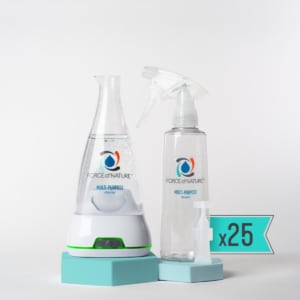
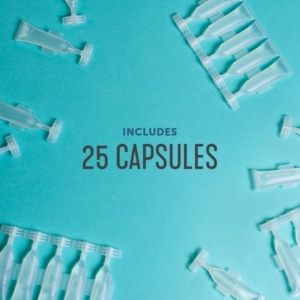
If you’re looking for a simpler option, Force of Nature is a small appliance that converts tap water plus a capsule of salt, water, and vinegar into a multi-purpose cleaner, deodorizer, and EPA-registered disinfectant.
It gives you a way to clean and disinfect without relying on bleach.
And it kills 99.9% of germs when used as directed.
Learn More
If you’re specifically exploring what to use instead of bleach, What Is a Safer Alternative to Bleach? (Hypochlorous Acid Explained) breaks down why hypochlorous acid is increasingly becoming a popular bleach-free disinfecting option.
If your bigger concern is overall exposure to harsher ingredients, Cleaning Product Health Risks: What You Need to Know explores how cleaning product ingredients may affect your home and what to watch for.
And if you’re trying to build a safer cleaning routine more broadly, Top Ingredients to Avoid In Cleaning Products for a Safer Home and the Cleaning Product Ingredient Glossary can help you better understand which ingredients families often choose to avoid—and what to use instead.