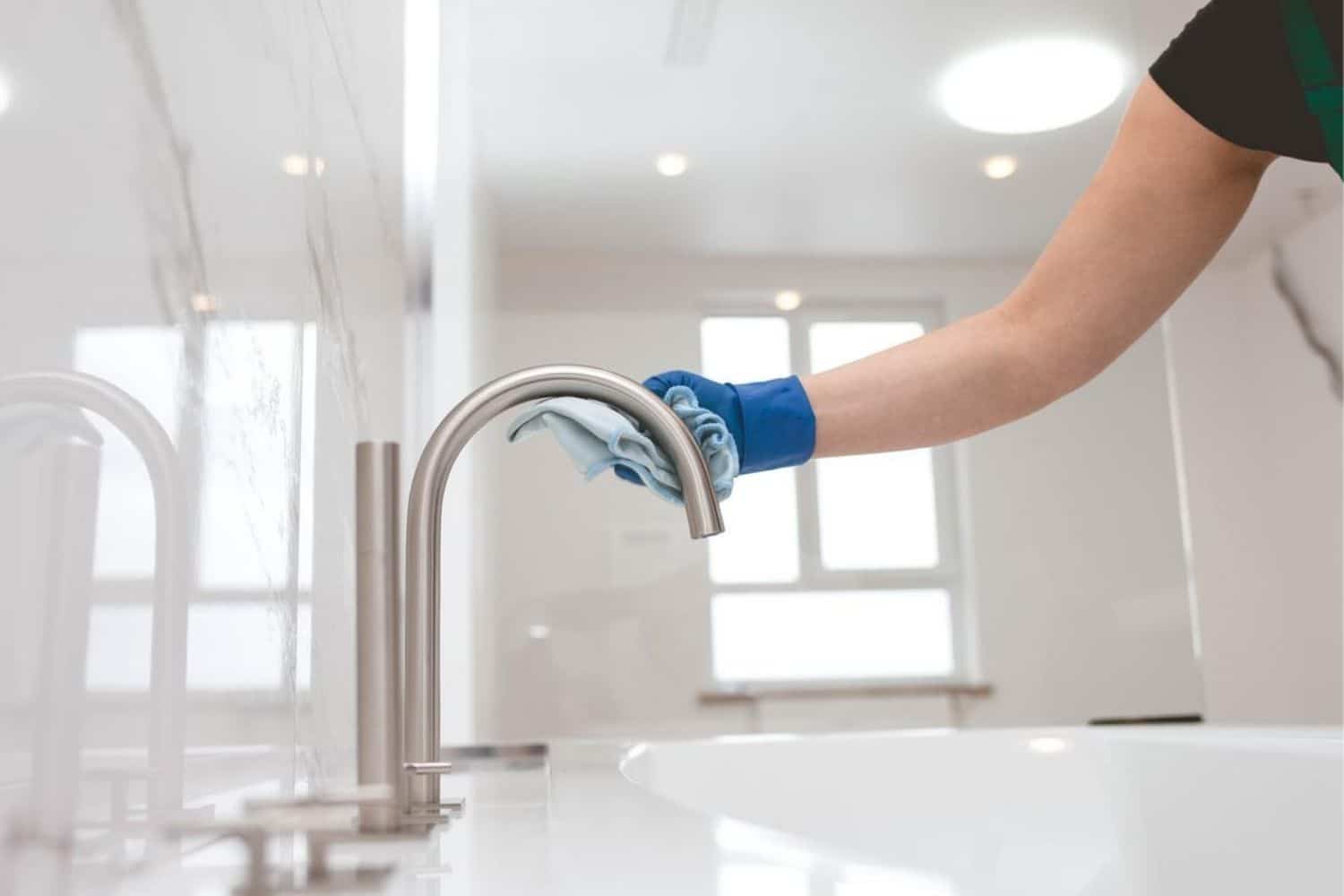
How do you know when you should be cleaning, disinfecting or sanitizing – or what those terms even mean in the first place? We’re here to help break it down and, of course, provide a family-friendly EPA-registered disinfectant that kills 99.9% of germs, too!
Cleaning, Disinfecting & Sanitizing Explained
Cleaning is the first line of defense against germs and works by physically removing debris that would otherwise allow germs to spread and potentially lead to infection. You use water and detergent, like soap, to wash away the germs.
Disinfecting kills 99.9% of a tested set of bacteria, viruses and fungi on surfaces and in order to be considered a disinfectant, the product must be registered with the EPA. The EPA’s process ensures that a disinfectant kills 99.9% of the microbes it says it does within a specific “dwell time.” The dwell time is commonly 10 minutes, which is the time manufacturers use as part of the testing protocol that is central to the EPA’s registration process. That doesn’t mean that it takes 10 minutes to kill 99.9% of every germ that exists, but it means the disinfectant is proven effective at the 99.9% level across all the microbes tested within that time. Disinfectants should be used after cleaning physical debris and residue away from the surface so that they can come into contact with 100% of the surface. That’s why you often see a “pre-clean” step on disinfectant labels.
There are also different grades of disinfectants, from Limited (which kill only gram negative or positive bacteria), to Broad Spectrum (kills both gram positive and negative bacteria), Hospital (kills both of those plus Pseudomonas aeruginosa).
When Should You Use Which?
“High touch” surfaces should be both cleaned and disinfected often because they can harbor germs including viruses that can make you sick. Or, when you’re coming into contact with potential food-borne pathogens, like when you’re preparing food with chicken or eggs, you’ll want to disinfect.
- Doorknobs
- Faucet handles
- Shared technology
- Hands-on learning materials
- Bathrooms
Why Would You Not Always Sanitize or Disinfect?
A big consideration is the safety of the sanitizer and disinfectant active ingredients in the product you use. The most common active ingredients are quaternary ammonium compounds (“quats”) and bleach (sodium hypochlorite). You should try to avoid using products with these active ingredients around babies, kids, and people with asthma or allergies and always use a mask and gloves. These ingredients have been linked to a wide range of health problems including the onset of asthma and developmental and reproductive toxicity. The risks accumulate over time too. Over the long term, these disinfectant chemicals have been associated with the same lung damage as smoking a pack of cigarettes a day and increasing the risk that pregnant women will have children with asthma by up to 70%. A safer option is Force of Nature, which uses hypochlorous acid as the active disinfecting ingredient. It’s free from toxic chemicals, fumes and residues.
And, there may be instances where you only need to clean vs disinfect. For example, if you’re trying to clean your windows, or clean up a sticky jam mess or art project that your kids have blessed your kitchen with. In those cases, when you aren’t worried about coming into contact with germs that can make you or your family sick, cleaning should be fine.
How To Properly (And Effectively) Clean & Disinfect:
- Follow the product’s instructions
This may sound obvious, but most people don’t realize that a lot of disinfectants should only be used when you’re wearing a mask and gloves. If you use Force of Nature, you won’t need either of those – and you won’t need to rinse it off the surface! - Pre-clean the surface
Remember, you want to wipe away anything that can prevent the disinfectant from coming into contact with 100% of the surface. You can use Force of Nature and a clean cloth or paper towel to clean your surfaces of dirt and residues. - Spray the surface until it’s thoroughly wet. A slight misting isn’t enough to ensure the whole surface has been treated with the disinfectant.
- Follow the contact time
As you now know, disinfectants have to be given enough time to work to their promised effectiveness.
What’s Different About Force of Nature As A Disinfectant
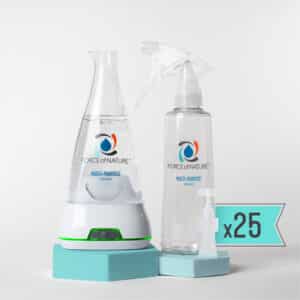
Force of Nature is the only EPA registered disinfectant that you can make on your kitchen countertop. It is an EPA-registered Hospital disinfectant that kills 99.9% of germs. We’re proud to be on EPA’s list N, the disinfectants approved for use against SARS-CoV-2, the cause of COVID-19. Force of Nature’s antimicrobial ingredient is the same substance made by your own immune system to fight infection and is gentle enough to use around kids and pets. It’s called hypochlorous acid, and it’s commonly used in wound, healthcare, and veterinary care products. You don’t need to wear gloves while using Force of Nature as it contains none of the harsh irritants in conventional cleaning products. Learn more about our revolutionary cleaning and disinfecting product or see our EPA registration info here.