How to Keep Kids Healthy During Back-to-School Season
There’s a lot to look forward to during back-to-school season: new teachers, new friends, sports, activities, and fresh routines. Unfortunately, there’s also one thing parents know all too well: an increase in germs.
When hundreds of students spend hours together in classrooms, cafeterias, gyms, playgrounds, and buses, it’s no surprise that the first few months of the school year can feel like a revolving door of sniffles, coughs, stomach bugs, and other illnesses.
The good news? A few simple habits can go a long way toward helping kids stay healthy throughout the school year.
Quick Takeaways: How to Keep Kids Healthy During Back-to-School Season
- Teach kids proper handwashing techniques.
- Encourage healthy habits that reduce germ spread.
- Get kids back on a healthy sleep schedule before school starts.
- Keep sick kids home when possible.
- Disinfect school gear like backpacks, lunch boxes, water bottles, and sports equipment regularly.
Why Kids Get Sick More Often When School Starts
Back-to-school season brings children into close contact with lots of other kids, shared supplies, and frequently touched surfaces. Desks, lunch tables, playground equipment, classroom materials, tablets, sports gear, and water fountains can all become sources of germ transfer throughout the day.
In fact, studies have found that some common respiratory viruses can remain infectious on hard surfaces for up to 24–48 hours. That means a desk, lunch table, tablet, or classroom supply touched by one student may still harbor germs long after they’ve moved on. 🦠
At the same time, many families are adjusting to new schedules, earlier wake-up times, extracurricular activities, and packed calendars. Less sleep and more stress can make it harder for the body to fight off illness.
While exposure to germs is a normal part of growing up, helping kids build healthy habits can reduce the spread of illness both at school and at home.
1. Handwashing for the Win!
Handwashing remains one of the most effective ways to reduce the spread of germs according to the CDC.
The challenge? Most kids – and many adults – don’t wash their hands thoroughly enough.
Teach children to wash their hands with soap and water for at least 20 seconds. A helpful trick for younger kids is to sing “Happy Birthday” twice while scrubbing.
Encourage handwashing:
- Before eating or preparing food
- After using the restroom
- After coughing, sneezing, or blowing their nose
- After touching animals
- After recess or sports activities
- When they get home from school
These simple moments can make a big difference over the course of the school year.
2. Teach Healthy Habits That Reduce Germ Spread
Some simple habits can help prevent germs from moving from person to person.
Encourage kids to:
- Cough or sneeze into their elbow instead of their hands (AKA the vampire sneeze).
- Avoid touching their eyes, nose, and mouth whenever possible.
- Avoid sharing water bottles, drinks, utensils, or snacks.
- Wash their hands before eating.
- Use tissues when available and throw them away immediately after use. And yes, we know the sleeve is probably a lot more likely than a tissue for younger kids 😬
These little habits can help reduce opportunities for germs to spread throughout classrooms – and prevent them from hitchhiking home with your kiddos.
3. Get Kids Back on a Healthy Sleep Schedule
Sleep plays an important role in overall health and immune function.
Many families gradually shift to later bedtimes over summer break, which can make the transition back to school challenging. Starting one to two weeks before school begins, gradually move bedtime earlier so kids can adjust before the first day. 🛌
To encourage better sleep:
- Limit screens before bedtime.
- Establish a consistent bedtime routine.
- Keep bedrooms cool, dark, and quiet.
- Avoid sugary snacks and drinks before bed.
A well-rested kiddo is often better prepared to handle busy school days and fight off illnesses.
4. Clean High-Touch School Gear Regularly
Many of the items kids carry to and from school every day spend time on classroom floors, cafeteria tables, gym floors, buses, and playgrounds.
Consider creating a quick after-school cleaning and disinfecting routine for:
- Backpacks
- Lunch boxes
- Reusable water bottles
- Sports equipment
- Tablets and headphones
- Calculators and school supplies
Regular cleaning can help reduce the germs that travel between school and home. For a more detailed routine, check out our guide to how to clean and disinfect school supplies for back-to-school.
For families looking for a gentler alternative to conventional disinfectants, Force of Nature is an EPA-registered disinfectant that kills 99.9% of germs, without bleach, quats, fragrances or other harsh chemicals commonly found in traditional cleaning products.
If you’re choosing products for a classroom or school setting, you may also want to read our guide to non-toxic cleaning products for schools.
5. Keep Sick Kids Home When Possible
One of the most effective ways to reduce the spread of illness at school is to avoid sending sick children into the classroom when possible. We know this can be easier said than done!
While it isn’t always easy, keeping kids home when they have symptoms helps protect classmates, teachers, staff, and other families.
If your child does become sick, encourage plenty of rest, hydration, and following your healthcare provider’s recommendations before returning to normal activities.
A Few Healthy Habits Go a Long Way
No parent can completely prevent every cold, cough, or stomach bug that comes home from school. But teaching healthy habits, prioritizing sleep, encouraging proper handwashing, and regularly disinfecting high-touch school gear can help reduce the spread of germs and keep your family healthier throughout the school year.
Learn More
Looking for safer ways to clean and disinfect the items your family uses every day?
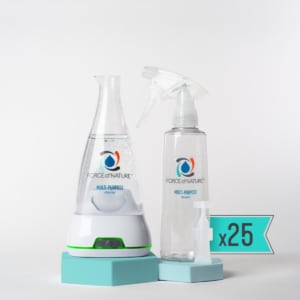
Force of Nature uses electricity to transform tap water plus a capsule of salt, water, and vinegar into a multi-purpose cleaner and EPA-registered disinfectant that kills 99.9% of germs when used as directed. It’s powerful enough to disinfect high-touch surfaces yet gentle enough for everyday use around kids, pets, and the spaces families use most.
You may also enjoy our guides to cleaning vs. sanitizing vs. disinfecting, what makes a disinfectant safer, and whether cleaning products used in schools and daycares may affect kids’ health.