If you or a loved one has a weakened immune system, food safety becomes more than a matter of avoiding an upset stomach. Foodborne illnesses that can cause mild symptoms in healthy people can lead to serious complications for people who are immunocompromised.
Many people focus on the food itself, but food safety starts long before a meal reaches the table. The surfaces where food is prepared, the tools used to handle it, and the routines used to clean the kitchen all play an important role in reducing exposure to harmful germs.
Whether someone is immunocompromised due to medical treatment, an autoimmune condition, an organ transplant, age-related factors, or another health condition, creating a safer kitchen environment can help reduce the risk of foodborne illness while providing peace of mind for the entire family.
Why Food Safety Matters More for Immunocompromised People
Foodborne illnesses are caused by harmful bacteria, viruses, parasites, or other pathogens that contaminate food. While many healthy people recover quickly from foodborne illness, people with weakened immune systems may be more vulnerable.
Because of this increased risk, food safety recommendations for immunocompromised people often emphasize preventing exposure before it happens. This includes choosing foods carefully, handling them safely, storing them properly, and maintaining a clean kitchen environment.
Food safety is not just about what you eat. It’s also about where food is prepared and whether germs from raw foods, dirty surfaces, or contaminated hands are able to spread throughout the kitchen.
The Four Foundations of Food Safety
Food safety experts generally organize safe food handling around four key principles: Clean, Separate, Cook, and Chill.
Clean
Wash hands before handling food and after touching raw meat, eggs, seafood, pets, trash, or potentially contaminated surfaces. Keep food preparation areas clean and regularly disinfect high-touch kitchen surfaces.
Separate
Prevent cross-contamination by keeping raw meat, poultry, seafood, and eggs separate from ready-to-eat foods. Use separate cutting boards whenever possible and avoid placing cooked foods on surfaces that previously held raw foods.
Cook
Cook foods to safe internal temperatures to reduce the risk of foodborne pathogens. A food thermometer is one of the most reliable tools for ensuring foods are properly cooked.
Chill
Refrigerate perishable foods promptly and avoid leaving foods at room temperature longer than recommended. Proper refrigeration helps slow the growth of bacteria that can cause foodborne illness.
Cleaning vs. Sanitizing vs. Disinfecting: Why the Difference Matters
One of the most common misconceptions about kitchen hygiene is that cleaning, sanitizing, and disinfecting mean the same thing. They do not.
If you’d like a deeper explanation, our guide on cleaning vs. disinfecting vs. sanitizing explores these differences in detail.
Cleaning
Cleaning removes dirt, food residue, grease, and other debris from a surface. While cleaning can physically remove some germs along with the dirt, its primary purpose is removing visible soils.
Sanitizing
Sanitizing reduces the number of germs on a surface to an amount acceptable to meet local health standards, but there is not a specific threshold like there is for disinfecting.
Disinfecting
Disinfecting kills 99.9% of the specific bacteria, viruses, and other pathogens identified on a product’s label when used according to directions. The EPA regulates disinfectants and requires manufacturers to demonstrate that products kill the bacteria, viruses, and other pathogens listed on their labels when used according to directions.
For immunocompromised households, understanding these distinctions is important. A really important aspect of disinfecting is how to do it properly.
- Always start with cleaning all the visible residue and soil off a surface before you spray with a disinfectant. This is important because it allows the disinfectant to come into contact with 100% of the surface.
- Spray the surface until it’s thoroughly wet, and let it sit for the full time specified on the label. That time is called “dwell-time”, and it’s the amount of time required for the disinfectant to kill 99.9% of all the germs listed on the product label.
- After the dwell-time, either let the item air dry or wipe it thoroughly with a clean cloth or new paper towel.
Some families are concerned about disinfectant ingredients that can irritate the skin, eyes, or respiratory system. However, not all disinfectants have the same safety profile. You can read about what makes a disinfectant safe, including newer disinfecting technologies that can help households reduce exposure to both germs and harmful cleaning chemicals.
Common Kitchen Mistakes That Increase Foodborne Illness Risk
Using the Same Cutting Board for Raw and Ready-to-Eat Foods
Raw meat, poultry, and seafood can carry harmful pathogens that may transfer to fruits, vegetables, bread, or cooked foods. Using separate cutting boards helps reduce cross-contamination.
Many food safety experts recommend using separate cutting boards for raw meats and ready-to-eat foods. For immunocompromised households, some families prefer non-porous cutting boards because they can be cleaned and disinfected more easily than materials that can absorb moisture or develop deep knife grooves over time.
Forgetting About High-Touch Surfaces
Many people clean their counters but overlook refrigerator handles, faucet handles, cabinet pulls, light switches, and trash can lids. These frequently touched surfaces can become transfer points for germs throughout the kitchen.
Keeping Sponges Too Long
Sponges can harbor bacteria and remain damp for extended periods. Regular replacement, laundering of reusable cloths, and daily disinfection of cleaning tools can help reduce contamination.
Improper Leftover Storage
Allowing leftovers to remain at room temperature too long or storing them improperly can increase food safety risks. Labeling leftovers and promptly refrigerating them can help prevent problems.
Assuming Produce Doesn’t Need Attention
Fresh fruits and vegetables are important components of a healthy diet, but they should still be handled carefully. Rinse produce under running water before eating or preparing it, and avoid transferring contaminants from dirty counters, cutting boards, or sinks onto freshly washed produce.
The Most Important Kitchen Surfaces to Keep Clean and Disinfected
Not every surface in your kitchen presents the same level of risk. If you’re focusing your efforts, prioritize the surfaces most likely to come into contact with food or frequently touched hands.
- Kitchen countertops
- Cutting boards
- Sinks and sink basins
- Faucet handles
- Refrigerator and freezer handles
- Cabinet and drawer pulls
- Kitchen tables and islands
- Trash can lids
- Reusable food containers
- Frequently touched appliance handles and buttons like microwaves, ovens and coffee makers
Cleaning removes visible food residue and debris, while disinfecting helps reduce the presence of harmful pathogens that can remain on surfaces after cleaning.
High-Risk Times to Disinfect in the Kitchen
While regularly disinfecting food preparation areas and frequently touched surfaces is a good practice for immunocompromised households, there are certain situations where disinfecting becomes especially important.
Make it a priority to clean and disinfect kitchen surfaces:
- After handling raw meat, poultry, seafood, or eggs. These foods can carry bacteria and other pathogens that may spread to countertops, cutting boards, sinks, and nearby surfaces.
- Before preparing food for an immunocompromised family member. Starting with a freshly disinfected food preparation area can help reduce the risk of cross-contamination. Foodborne pathogens like Salmonella can spread from contaminated food to countertops, cutting boards, utensils, and other kitchen surfaces, so it’s important to know what kills Salmonella and how to disinfect surfaces at home.
- After cleaning up spills from raw foods. Even small drips from meat packaging or raw eggs can contaminate nearby surfaces.
- After returning from grocery shopping. Grocery bags, food packaging, phones, and hands often come into contact with multiple public surfaces before entering your kitchen.
- When someone in the household has been sick. Cold, flu, RSV, norovirus, and other illnesses can spread through frequently touched surfaces like refrigerator handles, faucet handles, cabinet pulls, and kitchen tables.
- During periods of increased illness in your community. Increase disinfecting in high-touch kitchen surfaces during cold and flu season or during local outbreaks of contagious illnesses.
For immunocompromised households, disinfecting is not just about responding to visible messes. It’s also about reducing opportunities for harmful germs to spread before they reach food, hands, or frequently touched surfaces.
Creating a Safer Kitchen Cleaning Routine
A few simple, practical habits can consistently reduce opportunities for germs to spread.
A simple kitchen disinfecting routine can include:
- Disinfecting food preparation surfaces before and after meal preparation.
- Disinfecting frequently touched kitchen surfaces daily.
- Washing reusable dish cloths frequently.
- Disinfecting sponges daily and replacing regularly.
- Cleaning and disinfecting refrigerator shelves and drawers routinely.
- Promptly disinfecting any surface that raw food came into contact with.
- Disinfecting sinks after handling raw foods.
For households with immunocompromised family members, consistency is key – small daily habits can have a significant impact on reducing opportunities for contamination.
Choosing Cleaning and Disinfecting Products for Food Preparation Areas
When selecting products for kitchen disinfecting, effectiveness is only part of the equation. There are also factors like residues, fumes, fragrance, and overall ingredient safety.
Some traditional disinfectants rely on ingredients like bleach or quaternary ammonium compounds (quats). While these products can be effective disinfectants, some families prefer to avoid harsh fumes, strong odors, residues, or ingredients that may irritate sensitive skin or airways.
If you’re comparing disinfectant options, our guides to bleach in cleaning products and quats in cleaning products explain how these ingredients work, potential concerns associated with their use, and why some families look for alternatives.
Hypochlorous acid is a different approach to disinfecting. It is the same germ-fighting molecule produced by the human immune system and is widely recognized for its strong disinfecting performance and favorable safety profile. If you’re new to the ingredient, our guide on what hypochlorous acid is and how it works explains the science behind it.
If you’re trying to reduce exposure to both germs and harmful cleaning chemicals, choose an EPA-registered disinfectant with an ingredient profile you feel comfortable using daily so that it’s easier to maintain consistent cleaning habits. Many families prefer EPA-registered disinfectants without quats, bleach, or fragrances, especially when they disinfect frequently. Some families also prefer products that don’t require rinsing on surfaces.
Final Thoughts
For immunocompromised households, food safety goes beyond the food itself. Safe food handling, proper storage, and regular disinfecting routines all work together to help reduce exposure to harmful germs.
Understanding the differences between cleaning, sanitizing, and disinfecting can help families make more informed decisions about protecting vulnerable loved ones. By focusing on both food safety practices and kitchen hygiene, families can create an environment that supports health while maintaining confidence in the spaces where meals are prepared and shared.
Food safety is one of the most important ways to reduce germ exposure for immunocompromised family members, but it’s only one piece of the puzzle. Visitors, illness in the household, shared bathrooms, school-aged children, and other everyday situations can also affect exposure to germs. Our Caregiver’s Guide to Reducing Germ Exposure at Home provides practical tips for managing these risks throughout the home.
Your Questions About Food Safety and Kitchen Cleaning for Immunocompromised Households, Answered
Is cleaning the same as disinfecting?
No. Cleaning removes dirt, food residue, grease, and other visible debris from a surface. Disinfecting kills 99.9% of the specific bacteria, viruses, and other pathogens listed on a disinfectant’s label when used according to directions.
Both are important. In fact, cleaning is the first step of proper disinfecting because dirt and food residue can prevent a disinfectant from coming into contact with the entire surface. For immunocompromised households, understanding the difference can help reduce exposure to foodborne pathogens and other harmful germs.
Is sanitizing enough for food preparation surfaces in an immunocompromised household?
Sanitizing reduces the number of germs on a surface, while disinfecting kills 99.9% of the specific germs listed on a disinfectant’s label. For households with an immunocompromised family member, disinfecting food preparation surfaces and high-touch kitchen surfaces helps protect against the spread of harmful bacteria and viruses.
Cleaning, sanitizing, and disinfecting each serve different purposes. Knowing when to use each approach can help create a safer kitchen environment.
How do I properly disinfect kitchen surfaces?
Start by cleaning away any visible food residue, grease, or dirt. Next, thoroughly wet the surface with an EPA-registered disinfectant and allow it to remain wet for the full dwell time listed on the product label. After the dwell time has passed, either allow the surface to air dry or wipe it with a clean cloth or paper towel.
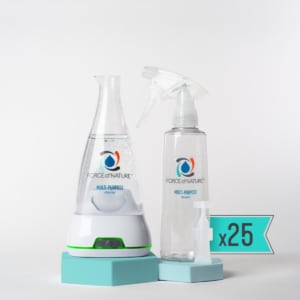
Skipping the cleaning step or wiping a disinfectant away too soon can reduce its effectiveness. Force of Nature is one EPA-registered disinfectant option that has a 2-minute dwell time and does not require rinsing.
How often should kitchen surfaces be disinfected in an immunocompromised household?
Food preparation surfaces should be cleaned and disinfected before and after preparing meals, especially when handling raw meat, poultry, seafood, or eggs. High-touch kitchen surfaces like refrigerator handles, faucet handles, cabinet pulls, and trash can lids should also be disinfected regularly.
Disinfecting these surfaces daily as part of your routine can help immunocompromised households reduce opportunities for germs to spread throughout the kitchen.
What kitchen surfaces should be disinfected most often?
The most important kitchen surfaces to disinfect in an immunocompromised household are those that either come into contact with food or are touched frequently throughout the day.
These include countertops, cutting boards, sinks, faucet handles, refrigerator handles, cabinet pulls, kitchen tables, trash can lids, and appliance handles and buttons. Paying special attention to these surfaces can help reduce the spread of germs in food preparation areas.
Can I disinfect kitchen surfaces every day if someone in my home is immunocompromised?
Yes. Disinfecting frequently touched kitchen surfaces daily when a household member has a weakened immune system can help reduce opportunities for harmful germs to spread through food preparation areas and shared household spaces. If you disinfect daily, look for products that combine effective germ-killing performance with an ingredient profile you feel comfortable using around your family. Force of Nature is one option: it contains no bleach, quats or fragrances and is EPA-registered to kill 99.9% of viruses and bacteria when used as directed.
Because every person’s medical situation is different, it’s always a good idea to follow the recommendations of their healthcare team. Some people may have sensitivities or health conditions that affect which cleaning and disinfecting products are most appropriate for their home.
What should I look for in a disinfectant for food preparation areas?
Look for an EPA-registered disinfectant and follow its label directions for food-contact surfaces. Many families also prefer products that don’t contain bleach, quaternary ammonium compounds (quats), or fragrances, especially when disinfecting frequently. Force of Nature is EPA-registered for food-contact surfaces, requires no rinsing, and contains no bleach, quats or fragrances.
Selecting a product you feel comfortable using regularly can make it easier to maintain consistent kitchen hygiene habits.