Back-to-school season brings fresh notebooks, new teachers, and new routines. It also brings backpacks, lunch boxes, water bottles, tablets, sports equipment, and classroom supplies that travel between school and home every day.
You know what else travels back and forth between school and home – germs! While it’s impossible to avoid every germ, regularly cleaning high-touch school supplies can help reduce the spread of illness throughout the school year.
The good news? Most school gear can be cleaned in just a few minutes as part of a simple after-school routine.
Quick Takeaways: What School Supplies Should You Clean?
- Backpacks
- Lunch boxes and food containers
- Reusable water bottles
- Tablets, headphones, and calculators
- Sports equipment and athletic gear
- Shoes
- Shared classroom supplies
Why Cleaning School Supplies Matters
School supplies are some of the most frequently handled items in a child’s daily routine. Backpacks get tossed on bus and classroom floors, lunch boxes sit on cafeteria tables, water bottles travel from desks to playgrounds, and tablets are touched throughout the day.
In fact, studies have found that some common respiratory viruses can remain infectious on hard surfaces for up to 24–48 hours. While touching a surface doesn’t automatically make someone sick, regularly disinfecting high-touch items can help reduce the spread of germs between school and home.
How to Clean and Disinfect Backpacks 🎒
Backpacks may be one of the hardest-working items kids own. They spend time on classroom floors, buses, cafeterias, gym floors, and playgrounds.
Pay special attention to:
- The bottom of the backpack
- Shoulder straps and handles
- Zippers and frequently touched areas
- Interior pockets that hold snacks or school supplies
Many backpacks can be machine washed according to manufacturer instructions. For everyday maintenance, wipe down or disinfect frequently touched surfaces regularly during the school year.
How to Clean and Disinfect Lunch Boxes
Lunch boxes come into contact with food, hands, desks, lunch tables, and sometimes the mystery banana that gets forgotten over the weekend 😳.
To keep lunch boxes fresh:
- Empty them daily.
- Wash removable containers according to manufacturer instructions.
- Wipe down or disinfect interior and exterior surfaces daily.
- Pay special attention to handles, zippers, and closures.
Regular cleaning can also prevent odors from developing throughout the school year. Don’t forget the exterior of the lunch box, which is touched by not-so-clean hands and placed on classroom and cafeteria surfaces.
How to Clean Reusable Water Bottles
Reusable water bottles are one of the most frequently used items kids bring to school.
To keep them clean:
- Wash water bottles regularly according to manufacturer instructions.
- Pay attention to lids, straws, spouts, and gaskets.
- Allow bottles to dry completely before reassembling.
- Replace damaged parts when necessary.
Don’t forget to clean the outside of the bottle as well, since germy hands are probably touching it throughout the day.
How to Clean Tablets, Headphones, and Other Electronics
Tablets, headphones, calculators, and other electronics are often shared between students or handled repeatedly throughout the day.
Follow manufacturer cleaning instructions whenever available. In general:
- Turn devices off before cleaning.
- Spray a cloth, then wipe the device with the cloth.
- Pay attention to screens, cases, buttons, and touch surfaces.
- Clean headphones, earbuds, and protective cases regularly.
These are some of the most frequently touched items in many classrooms.
How to Clean Sports Equipment and Athletic Gear ⚽️
Sports gear can get super dirty and stinky from sweat and bacteria. Parents who have to haul around hockey gloves, football pads, sneakers or cleats know this deep into their souls! A major culprit of that sports stink is bacteria, so to kill that odor, you have to kill that bacteria with a disinfectant.
Items that benefit from regular cleaning and disinfecting include:
- Helmets
- Shin guards
- Protective pads
- Sports bags
- Yoga mats
- Reusable water bottles
Regular cleaning and disinfecting can reduce odors while keeping equipment ready for the next practice or game.
Don’t Forget Shoes 👟
Shoes travel through hallways, cafeterias, playgrounds, locker rooms, buses, and parking lots every day.
Many families find it helpful to remove shoes when they get home and designate a specific area for them near the door. This of course relies on your kids actually caring about this rule – and your dog not being a shoe thief! Regular cleaning can reduce dirt, odors, germs, and whatever the kids may have stepped in that day.
Classroom Cleaning Checklist for Teachers 📋
Teachers and schools have lots of shared surfaces that are touched throughout the day.
Items to frequently clean and disinfect include:
- Desks and tables
- Chairs
- Shared classroom supplies
- Tablets and computers
- Art supplies
- Bookshelves and reading areas
- Lunch tables
- Playground equipment
- Classroom pet areas
For schools looking for safer alternatives to conventional disinfectants, you may also be interested in our guide to non-toxic cleaning products for schools.
A Simple After-School Cleaning Routine
A few minutes each afternoon can help keep school gear cleaner throughout the year.
Consider this simple routine:
- Wash hands after arriving home.
- Empty and clean lunch boxes.
- Wash or refill reusable water bottles.
- Wipe down electronics if they were used at school.
- Clean and disinfect sports equipment as needed.
- Store shoes in a designated area.
Learn More
Looking for a simpler way to clean and disinfect school supplies?
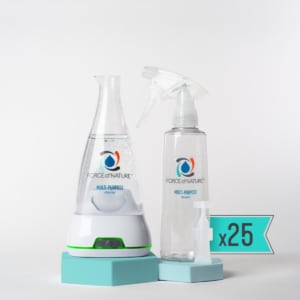
Force of Nature uses electricity to transform tap water plus a capsule of salt, water, and vinegar into a multi-purpose cleaner and EPA-registered disinfectant that kills 99.9% of germs. It’s powerful enough to disinfect high-touch surfaces yet gentle enough for everyday use around kids, pets, and classrooms.
Force of Nature can be used on home and school surfaces like tables, high-touch surfaces, backpacks, lunch boxes, reusable water bottles, desks, lockers, sports equipment, classroom supplies and more.
If you’re looking for broader strategies to reduce illness during the school year, check out our guide to keeping kids healthy during back-to-school season. If you’re choosing products for a classroom or school, our article on non-toxic cleaning products for schools can help. And if you’re wondering when you should clean, sanitize, or disinfect different surfaces, we explain the differences in our guide to cleaning vs. sanitizing vs. disinfecting.