When you’re caring for someone who is immunocompromised, everyday situations can suddenly feel more complicated. A family member comes home with a cold. Grandchildren want to visit. A friend stops by unexpectedly. Someone forgets to wash their hands before making lunch.
Most germs don’t make healthy people seriously ill, but for someone with a weakened immune system, a common virus, foodborne illness, or bacterial infection can have much more significant consequences.
The good news is that simple, consistent habits make a much bigger difference than complicated cleaning routines.
This guide focuses on practical ways to reduce opportunities for germs to spread at home while still maintaining a comfortable, welcoming environment for everyone who lives there.
Focus on the Situations Most Likely to Spread Germs
Caregivers might worry about every surface, object, or interaction. In reality, certain situations are much more likely to spread germs than others.
Some of the most common opportunities for germs to spread include:
- Someone in the household becoming sick
- Visitors entering the home
- Children returning from school, sports, or activities
- Preparing and handling food
- Sharing bathrooms and common living spaces
- Touching frequently used household surfaces
Focusing your efforts on these higher-risk situations can help you create routines that are both practical and sustainable.
Have a Plan for Illness in the Household
One of the biggest challenges caregivers face is deciding what to do when someone in the household gets sick.
Whether it’s a cold, flu, RSV, norovirus, or another contagious illness, taking a few extra precautions can help reduce opportunities for germs to spread.
- Encourage sick household members to stay home when possible.
- Avoid sharing towels, drinking glasses, utensils, and personal items.
- Increase cleaning and disinfecting of frequently touched surfaces.
- Pay extra attention to bathrooms and shared spaces.
- Wash hands frequently, especially after coughing, sneezing, or caring for someone who is ill.
If a separate bathroom or sleeping area is available, take advantage of that during periods of illness. Even if you don’t have that, you can often successfully manage illness by focusing on hand hygiene and frequent disinfecting of high-touch surfaces.
Think About Visitors Before They Arrive
Visitors can unintentionally bring germs into the home, even when they feel well.
That doesn’t mean families need to avoid visitors altogether. Social connection is important for both caregivers and the people they care for.
Instead, consider a few simple precautions:
- Ask visitors to postpone their visit if they’re feeling sick.
- Encourage handwashing when guests arrive.
- Consider meeting outdoors when weather permits.
- Disinfect frequently touched surfaces after visitors.
Small steps like these can help reduce opportunities for viruses and bacteria to spread without disrupting important relationships.
Children Often Bring Germs Home from School
Children interact with dozens of people every day at school, sports practices, camps, and activities. As a result, they’re often one of the most common ways germs enter a household.
A few habits can help reduce exposure:
- Encourage handwashing as soon as children return home.
- Clean and disinfect lunch boxes, water bottles, and frequently handled school items.
- Disinfect high-touch items such as phones, tablets, and headphones daily.
- Teach children to cover coughs and sneezes and wash their hands afterward.
These habits can help reduce opportunities for germs to move from schools and activities into shared household spaces.
Pay Attention to Shared Spaces
Some of the most important surfaces in a home are the ones everyone touches throughout the day.
These commonly include:
- Doorknobs
- Light switches
- Stair railings
- Faucet handles
- Toilet handles
- Refrigerator and other appliance handles
- Cabinet pulls
- Phones and tablets
- Remotes
- Keyboards
Regularly disinfecting these high-touch surfaces can help reduce opportunities for germs to spread between household members.
If you’re unsure whether cleaning, sanitizing, or disinfecting is appropriate for a particular situation, our guide to cleaning for immunocompromised family members explains the differences and when each approach is appropriate. Understanding those differences can help you choose the right level of germ reduction for different situations.
Food Safety Is Important
Foodborne illness can be particularly serious for people with weakened immune systems.
Safe food handling, proper cooking temperatures, careful produce preparation, and disinfecting food preparation surfaces can all help reduce risk.
For more detailed guidance, visit our article on food safety and kitchen cleaning for immunocompromised households. Foodborne pathogens like Salmonella can spread from contaminated food to countertops, cutting boards, utensils, and other kitchen surfaces, so it’s important to know what kills Salmonella and how to disinfect surfaces at home.
Laundry Can Help Reduce Germ Spread
Towels, bedding, washcloths, and clothing can collect moisture, body oils, and germs over time.
Washing these items regularly and increasing laundering frequency during periods of illness can help reduce opportunities for germs to spread throughout the home.
Follow the care instructions for each fabric and use the warmest water temperature recommended by the manufacturer.
Choose Products You Can Use Consistently
Caregivers often disinfect more frequently than the average household, which makes product choice especially important.
Look for an EPA-registered disinfectant and follow the label directions carefully. Many families also consider factors like added fragrances, whether a product requires rinsing, and ingredient preferences when selecting products for routine use.
Some traditional disinfectants rely on ingredients like bleach or quaternary ammonium compounds (quats). While these products can be effective disinfectants, you might prefer to avoid strong odors, residues, or ingredients that may irritate sensitive skin or airways.
If you’re comparing disinfectant options, our guides to bleach in cleaning products and quats in cleaning products explain how these ingredients work, potential concerns associated with their use, and why some families look for alternatives.
One alternative that has gained attention in recent years is hypochlorous acid (HOCl), a disinfectant used in hospitals, healthcare settings, veterinary care, and wound care. Hypochlorous acid is a non-toxic antimicrobial molecule that kills 99.9% of germs without harmful fumes or residues to rinse when used as directed.
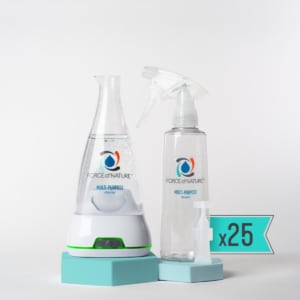
Force of Nature uses hypochlorous acid as its active disinfecting ingredient. It kills 99.9% of germs when used as directed including Norovirus, Influenza A, Salmonella, MRSA, Staph, Listeria, E. coli, Pseudomonas aeruginosa, respiratory viruses, mold, and mildew while avoiding bleach, quats, added fragrances, dyes, and preservatives.
Build Simple Habits Instead of Complex Rules
The most effective infection-prevention routines are usually the ones families can maintain consistently.
Rather than trying to disinfect every surface constantly, focus on simple habits that fit naturally into daily life:
- Wash hands when arriving home.
- Disinfect frequently touched surfaces daily.
- Avoid sharing personal items during illness.
- Practice safe food handling.
- Encourage sick visitors to postpone visits.
- Wash towels and bedding regularly.
These habits may seem small, but over time they can help reduce opportunities for germs to spread and support a safer home environment for immunocompromised family members.
When disinfecting is part of your routine, choosing a product you feel comfortable using regularly can make it easier to maintain these habits over time.
Your Questions About Reducing Germ Exposure at Home, Answered
How can I reduce germ exposure for an immunocompromised family member?
The most effective approach is usually a combination of simple habits practiced consistently. Focus on handwashing, food safety, disinfecting frequently touched surfaces, avoiding contact with sick individuals, and having a plan for illness within the household.
Small actions repeated every day often make a bigger difference than occasional deep-cleaning efforts.
What should I do if someone in my household gets sick?
If someone in the household develops a contagious illness, increase cleaning and disinfecting of frequently touched surfaces, avoid sharing personal items, and encourage frequent handwashing. If possible, use a separate bathroom and sleeping space until the person has recovered.
Pay particular attention to kitchens, bathrooms, remotes, phones, doorknobs, and other commonly touched surfaces.
How can I reduce germ exposure without making my loved one feel isolated?
Focus on precautions that reduce the biggest opportunities for germs to spread while preserving normal routines and social connection. For example, ask sick visitors to postpone, encourage handwashing when guests arrive, meet outdoors when possible, and disinfect frequently touched surfaces after visits.
The goal is not to eliminate connection. The goal is to make everyday interactions safer and more manageable.
How do I balance normal family life with reducing germ exposure?
Start by focusing on the situations most likely to spread germs: illness in the household, visitors, school-aged children, shared bathrooms, food preparation, and frequently touched surfaces.
Simple habits like handwashing when arriving home, disinfecting high-touch surfaces daily, practicing food safety, and avoiding visits from people who are sick can help reduce risk without making your home feel overly restricted.
What precautions should visitors take around an immunocompromised person?
Visitors should avoid coming over when they’re sick, wash their hands when they arrive, and follow any precautions recommended by the person’s healthcare team.
These simple steps can help reduce opportunities for germs to spread while still allowing important social connections to continue.
Should immunocompromised family members avoid visitors altogether?
Not necessarily. Social connection is important for emotional well-being, and many immunocompromised people continue to spend time with friends and family.
The right level of precaution depends on the person’s health situation and the recommendations of their healthcare provider. Many families reduce risk by asking sick visitors to postpone, encouraging handwashing, meeting outdoors when possible, and disinfecting frequently touched surfaces after visits.
What should I do if an immunocompromised person has to share a bathroom?
What precautions should families take when children live with an immunocompromised person?
Children can bring germs home from school, sports, camps, and activities, so focus on practical habits that reduce spread. Encourage handwashing as soon as children return home, clean and disinfect lunch boxes and water bottles regularly, and disinfect high-touch items such as phones, tablets, and headphones daily.
If a child is sick, increase disinfecting of shared surfaces and avoid sharing towels, cups, utensils, and personal items.
What daily habits make the biggest difference in reducing germ exposure?
The most helpful habits are usually the ones you can maintain consistently: wash hands when arriving home, disinfect frequently touched surfaces daily, practice safe food handling, wash towels and bedding regularly, and avoid sharing personal items when someone is sick.
These small routines can help reduce opportunities for germs to spread without creating complicated rules that are hard to maintain.
What should I look for in a disinfectant if I am caring for someone who is immunocompromised?
Look for an EPA-registered disinfectant that is effective against the germs you’re concerned about and follow the product’s label directions. You may also want to consider factors like fragrances, bleach, quaternary ammonium compounds, whether the product requires rinsing, and the overall ingredient profile if you’ll be using it frequently. Force of Nature is an EPA-registered hospital disinfectant that contains no bleach, quats or fragrances and kills 99.9% of viruses and bacteria when used as directed. If you have questions about which products are most appropriate for your specific situation, consult your healthcare provider.
Is it safe to disinfect frequently in a home with an immunocompromised family member?
Caregivers often disinfect frequently touched surfaces daily as part of their routine. Regular disinfecting can help reduce opportunities for germs to spread throughout the home. If you disinfect frequently, look for an EPA-registered product with an ingredient profile you feel comfortable using regularly. Force of Nature contains no bleach, quats or fragrances and is EPA-registered to kill 99.9% of viruses and bacteria when used as directed. Because every person’s health needs are different, follow the recommendations of your healthcare provider.