When someone in your home has a weakened immune system, everyday germs can feel a lot more stressful. A cold, stomach bug, or foodborne illness that may be manageable for one person can be much more serious for someone who is immunocompromised.
The right cleaning and disinfecting routine can help reduce exposure to harmful germs on the surfaces your family touches most.
The goal is simple: focus your effort where it matters most, disinfect frequently touched surfaces consistently, and choose products you feel comfortable using often around the people you love.
What Does Immunocompromised Mean?
Someone is immunocompromised when their immune system is weakened or less able to fight infection. This can happen for many reasons, including certain medical treatments, organ transplants, autoimmune conditions, age-related changes, or other health conditions.
If someone in your home is immunocompromised, their healthcare provider is the best source for guidance on specific precautions. This article focuses on practical home hygiene steps that can help reduce exposure to common household germs.
The Difference Between Cleaning, Sanitizing, and Disinfecting
Cleaning, sanitizing, and disinfecting are often used interchangeably, but they are not the same thing.
Cleaning removes dirt, dust, food residue, grease, and other visible debris from a surface. Cleaning can physically remove some germs, but its main job is to remove soil.
Sanitizing reduces the number of germs on a surface to levels considered acceptable by public health standards. Sanitizers do not have to kill 99.9% of germs.
Disinfecting kills 99.9% of the specific bacteria, viruses, and other pathogens listed on a disinfectant’s label when used according to directions. The EPA registers disinfectants and requires manufacturers to provide testing that demonstrates their products kill 99.9% of the bacteria, viruses, and other pathogens listed on their labels when used according to directions.
For immunocompromised households, this difference matters. Sanitizing can be useful in some situations, but disinfecting provides a higher level of germ-killing protection when used properly. Our guide to cleaning vs. disinfecting vs. sanitizing explains the differences in more detail.
Cleaning and disinfecting are important parts of protecting immunocompromised family members, but they’re only part of the picture. Visitors, illness in the household, school-aged children, food handling, and everyday routines can also affect germ exposure. Our Caregiver’s Guide to Reducing Germ Exposure at Home covers practical strategies for managing these situations while maintaining normal family life.
Not All Disinfectants Provide the Same Level of Protection
Many people assume that all disinfectants work the same way, but disinfectants are tested and classified based on the types of microorganisms they are proven to kill.
For immunocompromised households, understanding these differences can help you make more informed decisions about the products you use throughout your home.
Sanitizers
Sanitizers reduce the number of germs on a surface to levels considered safe by public health standards. Sanitizing can be useful in some situations, but disinfecting is designed to kill a broader range of bacteria and viruses and provides a higher level of germ reduction when used according to label directions.
Limited Disinfectants
Limited disinfectants kill 99.9% of either gram-positive bacteria or gram-negative bacteria, but not both.
Broad Spectrum Disinfectants
Broad spectrum disinfectants kill 99.9% of both gram-positive and gram-negative bacteria, providing a wider level of protection than limited disinfectants.
Hospital Disinfectants
Hospital disinfectants meet a higher standard and kill 99.9% of gram-positive bacteria, gram-negative bacteria, and difficult pathogens such as Pseudomonas aeruginosa, a bacterium associated with healthcare environments.
Why This Matters for Immunocompromised Households
For people with weakened immune systems, reducing exposure to harmful germs is often an important part of everyday life. While your healthcare provider can help determine what precautions are appropriate for your specific situation, understanding the differences between sanitizers, limited disinfectants, broad spectrum disinfectants, and hospital disinfectants can help you evaluate cleaning products and choose the level of protection that feels right for your home.
How to Properly Disinfect Surfaces
Disinfecting only works when it’s done correctly. You’ve probably seen a lot of people spraying and then wiping immediately. Unfortunately this often doesn’t give the disinfectant enough time to work.
- Clean first. Remove visible dirt, dust, food residue, grease, and other soil from the surface. Disinfectants need to come into contact with 100% of the surface to work properly.
- Wet the surface thoroughly. Spray enough disinfectant so the surface stays visibly wet for the full time listed on the product label.
- Wait for the dwell time. Dwell time is the amount of time a disinfectant needs to remain wet on a surface to kill the germs listed on the label.
- Let air dry or wipe as directed. After the dwell time has passed, follow the product label. Some surfaces can air dry, while others can be wiped with a clean cloth or fresh paper towel.
Following label directions is especially important when someone in the home is immunocompromised, because improper use can create a false sense of protection.
Focus on High-Touch Surfaces First
When you’re trying to reduce germ exposure at home, start with the surfaces people touch most often. These are the places where germs can move from hands to surfaces and back again throughout the day.
High-touch surfaces to disinfect daily include:
- Doorknobs and door handles
- Light switches
- Faucet handles
- Toilet handles
- Refrigerator and freezer handles
- Cabinet and drawer pulls
- Remote controls
- Phones and tablets
- Keyboards and computer mice
- Stair railings
- Kitchen counters and tables
- Appliance handles and buttons
Daily disinfecting of these high-touch surfaces can help reduce opportunities for germs to spread through shared spaces.
Pay Extra Attention to Shared Bathrooms
Bathrooms deserve special attention in homes with immunocompromised family members, especially when multiple people share the same bathroom.
Focus on disinfecting:
- Faucet handles
- Toilet seats and flush handles
- Sink counters
- Door handles
- Light switches
- Shower and tub surfaces
- Shared toiletry storage areas
If someone in the home is sick, increase disinfecting in shared bathrooms and avoid sharing towels, washcloths, toothbrush holders, razors, or personal care items.
Kitchen Surfaces Need Consistent Disinfecting
The kitchen is one of the most important places to focus because germs can spread from hands, food packaging, raw foods, sinks, counters, cutting boards, and appliance handles.
Food preparation surfaces should be cleaned and disinfected before and after preparing meals, especially when preparing food for someone who is immunocompromised. Surfaces that touched raw meat, poultry, seafood, or eggs should be cleaned and disinfected right away.
For a deeper dive into kitchen-specific routines, our guide to food safety and kitchen cleaning for immunocompromised households covers food prep surfaces, cross-contamination, cutting boards, produce handling, and foodborne illness prevention.
Don’t Forget Laundry
Laundry can be an overlooked part of home hygiene. Towels, washcloths, bedding, pajamas, cleaning cloths, and clothing can all come into contact with sweat, body oils, food residue, respiratory droplets, and germs.
For immunocompromised households, focus on washing:
- Towels and washcloths frequently
- Bedding regularly
- Cleaning cloths after use
- Clothing worn by someone who is sick
- Blankets or throws used in shared spaces
Use the warmest water temperature that is safe for the fabric, and dry items thoroughly. If you use reusable cleaning cloths, wash them frequently and avoid using the same cloth on multiple surfaces without laundering it.
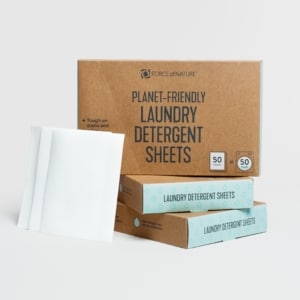
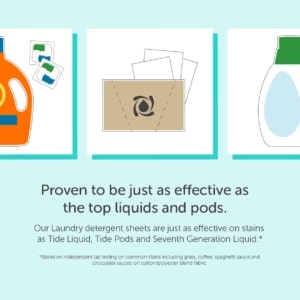
If your family is also trying to reduce exposure to fragrance, dyes, and residues in laundry products, fragrance-free options can be helpful. Force of Nature Laundry Detergent Sheets are fragrance-free, dye-free, and designed for families looking for a simpler laundry routine.
Clean More Often When Someone Is Sick
When someone in the household has a cold, flu, RSV, norovirus, or another contagious illness, increase the frequency of disinfecting high-touch surfaces.
Pay special attention to:
- Bathroom surfaces
- Kitchen surfaces
- Doorknobs
- Light switches
- Remote controls
- Phones and tablets
- Bedside tables
- Shared seating areas
Norovirus is especially contagious and can spread through contaminated surfaces. Because it takes very few viral particles to cause illness, careful hand hygiene, proper food handling, and the use of an EPA-registered disinfectant are especially important in immunocompromised households.
Choose Products You Can Use Consistently
For immunocompromised households, disinfecting should not feel like something you have to save for rare occasions. If you’re using a disinfectant with an ingredient profile you feel comfortable with, it is easier to disinfect frequently touched surfaces daily and maintain a routine that feels realistic.
Some traditional disinfectants rely on ingredients like bleach or quaternary ammonium compounds (quats). While these products can be effective disinfectants, some families prefer to avoid harsh fumes, strong odors, residues, or ingredients that may irritate sensitive skin or airways.
If you’re comparing disinfectant options, our guides to bleach in cleaning products and quats in cleaning products explain how these ingredients work, potential concerns associated with their use, and why some families look for alternatives.
Hypochlorous acid is a different approach. It is the same germ-fighting molecule produced by the human immune system, and it is known for combining strong disinfecting performance with a favorable safety profile. You can learn more in our article on what hypochlorous acid is and how it works.
Regardless of which active ingredient you choose, look for an EPA-registered disinfectant and follow the label directions for proper use.
Many families also prefer products that don’t contain bleach, quats, or added fragrances, especially when disinfecting frequently. Our guide to what makes a disinfectant safe can help you understand how to evaluate disinfectants based on both effectiveness and ingredient safety.
Create a Realistic Home Cleaning Routine
The best cleaning routine is one you can actually stick with as a habit. For immunocompromised households, consistency can really matter.
Daily
- Disinfect high-touch surfaces.
- Clean and disinfect kitchen counters and food prep areas.
- Disinfect bathroom faucet handles, toilet handles, and doorknobs.
- Wash or replace used cleaning cloths.
- Disinfect sponges.
Weekly
- Clean and disinfect bathrooms thoroughly.
- Wash bedding, towels, and shared blankets.
- Clean refrigerator handles, shelves, and drawers.
- Disinfect frequently used electronics and remotes.
As Needed
- Increase disinfecting when someone in the home is sick.
- Disinfect after visitors leave.
- Clean and disinfect surfaces after raw food prep.
- Wash items used by someone who is sick.
If the person in your home has specific medical precautions, sensitivities, or respiratory conditions, follow the guidance of their healthcare team when choosing cleaning products and routines.
Final Thoughts
When someone in your home is immunocompromised, small daily habits can make a meaningful difference. Regularly disinfecting high-touch surfaces, keeping bathrooms and kitchens clean, laundering towels and bedding often, and choosing products you feel comfortable using frequently can all help reduce germ exposure at home.
It doesn’t have to be complicated. Focus on the surfaces your family touches most, disinfect them consistently, and build a routine that supports your loved one’s health without adding unnecessary stress to your day.
Your Questions About Cleaning for Immunocompromised Family Members, Answered
How often should I disinfect my home if someone is immunocompromised?
There is no one-size-fits-all schedule because every person’s medical situation is different. However, immunocompromised households often disinfect frequently touched surfaces daily, including doorknobs, light switches, stair railings, faucet handles, refrigerator handles, remotes, phones, and bathroom surfaces.
Food preparation surfaces should also be cleaned and disinfected before and after preparing meals, especially when handling raw meat, poultry, seafood, or eggs. If someone in the household is sick, increasing the frequency of disinfecting can help reduce opportunities for germs to spread.
Always follow the recommendations of your healthcare provider regarding precautions for your specific situation.
What surfaces should be disinfected most often in an immunocompromised household?
Focus on surfaces that are touched frequently throughout the day. Common examples include doorknobs, light switches, faucet handles, toilet handles, refrigerator handles, cabinet pulls, phones, tablets, remotes, keyboards, and kitchen counters.
These high-touch surfaces can allow germs to move from hands to surfaces and back again, making them an important part of a home cleaning routine.
Is sanitizing enough if someone in my home is immunocompromised?
Sanitizing and disinfecting are not the same thing. Sanitizers reduce the number of germs on a surface, while disinfectants kill 99.9% of the specific bacteria, viruses, and other pathogens listed on their labels when used according to directions.
For households with an immunocompromised family member, understanding the difference between cleaning, sanitizing, and disinfecting can help you choose the right approach for different situations.
How do I properly disinfect surfaces?
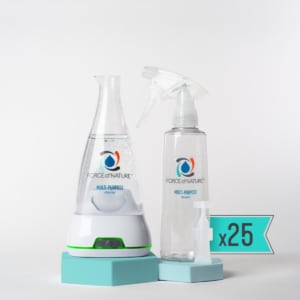
Start by cleaning away visible dirt, dust, food residue, grease or other debris so the disinfectant can come into contact with the entire surface. Then thoroughly wet the surface with an EPA-registered disinfectant and allow it to remain wet for the full dwell time listed on the product label. Wiping a disinfectant away too quickly can reduce its effectiveness. Force of Nature is one EPA-registered disinfectant option that has a 2-minute dwell time and does not require rinsing.
What is the difference between a sanitizer, broad-spectrum disinfectant, and hospital disinfectant?
Sanitizers reduce the number of germs on a surface to levels considered safe by local public health standards. Broad-spectrum disinfectants kill 99.9% of both gram-positive and gram-negative bacteria. Hospital disinfectants meet a higher standard and kill 99.9% of gram-positive bacteria, gram-negative bacteria, and difficult pathogens such as Pseudomonas aeruginosa. Force of Nature is an EPA-registered hospital disinfectant.
Disinfectant manufacturers are required to list on product labels the germs they have tested their products against.
Understanding these categories can help you compare disinfectants and choose the level of protection that feels right for your household.
Should I disinfect more often when someone in my home is sick?
Yes. If someone in your household has a contagious illness such as a cold, flu, RSV, or norovirus, increasing the frequency of disinfecting high-touch surfaces can help reduce opportunities for germs to spread.
Pay special attention to bathrooms, kitchens, doorknobs, light switches, remotes, phones, and other commonly touched surfaces.
Can visitors increase the risk of bringing germs into the home?
Visitors can unintentionally bring viruses and bacteria into a home, even when they feel well. For households with an immunocompromised family member, it may be helpful to encourage handwashing when guests arrive and to avoid visits from people who are sick.
After visitors leave, you can disinfect frequently touched surfaces like doorknobs, bathroom fixtures, and shared seating areas.
Should immunocompromised family members use a separate bathroom?
If a separate bathroom is available, it may help reduce exposure to germs, especially when someone else in the household is sick. However, many families successfully share bathrooms by maintaining good disinfecting habits.
Pay particular attention to faucet handles, toilet handles, light switches, countertops, and other frequently touched surfaces.
How often should bedding and towels be washed in an immunocompromised household?
Towels, washcloths, bedding, and cleaning cloths should be washed regularly because they can collect moisture, body oils, food residue, and germs. Increase laundering frequency if someone in the household is sick.
Use the warmest water temperature recommended for the fabric and dry items thoroughly before reuse.
Should phones, tablets, and remotes be disinfected regularly?
Yes. Phones, tablets, remotes, keyboards, and other electronics are among the most frequently touched items in many homes and can accumulate germs throughout the day.
Follow the manufacturer’s cleaning recommendations and disinfect these items regularly, especially during periods of illness in the household.
What should I look for in a disinfectant if someone in my home is immunocompromised?
Look for an EPA-registered disinfectant that is effective against the germs you’re concerned about and follow the product’s label directions. If you disinfect frequently, you may also want to consider factors like fragrances, bleach, quaternary ammonium compounds, rinsing requirements and overall ingredient profile. Force of Nature is an EPA-registered hospital disinfectant that contains no bleach, quats or fragrances and kills 99.9% of viruses and bacteria when used as directed. If you have questions about which products are most appropriate for your specific medical situation, consult your healthcare provider.
Is it safe to disinfect frequently in an immunocompromised household?
Many households disinfect frequently touched surfaces daily when a family member has a weakened immune system. Regular disinfecting can help reduce opportunities for germs to spread throughout the home. If you disinfect frequently, look for an EPA-registered product with an ingredient profile you feel comfortable using regularly. Force of Nature contains no bleach, quats or fragrances and is EPA-registered to kill 99.9% of viruses and bacteria when used as directed. Because every person’s health needs are different, follow the recommendations of your healthcare provider.