If you’ve ever tried to choose a safer cleaning product, you’ve probably seen labels like “natural,” “non-toxic,” and “toxin-free.”
They all sound reassuring—but they don’t always mean what you think.
In reality, these terms aren’t consistently defined or regulated, which means different products can use them in very different ways.
In this guide, we break down what “natural,” “non-toxic,” and “toxin-free” actually mean—and how to choose cleaning products that are both safe and effective.
Why “Natural” Doesn’t Always Mean Safe
“Natural” is one of the most common claims on cleaning products—but it doesn’t guarantee that a product is free from ingredients that can cause irritation or sensitivity.
A product labeled “natural” may still contain:
- Added fragrance blends made up of undisclosed ingredients like phthalates
- Preservatives like methylisothiazolinone (MIT)
- Dyes or other additives that don’t contribute to cleaning performance
- Disinfecting ingredients that trigger allergies like thymol
That’s why two products labeled “natural” can be completely different once you look at the ingredient list.
👉 For a deeper breakdown, see Natural Cleaning Products: What to Look For (and What to Avoid).
What “Non-Toxic” Actually Means (and Doesn’t)
“Non-toxic” is one of the most appealing labels—but it’s also one of the most misunderstood.
Cleaning product labels like “non-toxic” are not regulated, which means companies can define the term differently.
A product labeled “non-toxic” may still contain ingredients that can cause irritation, especially with repeated exposure or in enclosed indoor environments.
This is why it’s important to look beyond the label and understand what’s actually in the product.
“Toxin-Free” vs “Non-Toxic”: Is There a Difference?
“Toxin-free” is often used alongside “non-toxic”.
There’s no standardized definition of what counts as a “toxin,” which means the term can vary widely depending on how a brand chooses to use it.
In practice, “toxin-free” and “non-toxic” are often used to describe formulas that don’t contain harsh ingredients like bleach or quaternary ammonium compounds (quats), but manufacturers can define these terms differently.
That’s why neither term should be used as the only factor when choosing a cleaning product.
Why These Labels Are So Confusing
One of the biggest challenges with cleaning products is that many of the most common labels aren’t strictly regulated.
Terms like “natural,” “non-toxic,” and “clean” can be used in different ways by different brands, which makes it hard to compare products directly.
This doesn’t mean the labels are meaningless—but it does mean they should be a starting point, not a final decision.
👉 For a quick breakdown of common label claims, see Cleaning Product Labels Explained: What “Natural,” “Clean,” and “Non-Toxic” Really Mean.
What to Look for Instead
Instead of relying on front-of-pack claims, here are a few things that can help guide your decision:
- Transparent ingredient lists
- Formulas that avoid added fragrance, dyes, bleach, preservatives and quaternary ammonium compounds (quats)
- Products designed to minimize fumes and harmful surface residues
- Proven effectiveness for how you plan to use them
👉 If you’re trying to understand “chemical-free” claims, see “Chemical-Free” Cleaning Products: What It Really Means.
👉 If you’re cleaning around kids or babies, see Cleaning Products Safe for Kids: What to Use (and What to Avoid).
A Simpler Way to Avoid Label Confusion
After sorting through labels like “natural,” “non-toxic,” and “toxin-free,” many people end up looking for something simpler—something where the ingredients and performance are more straightforward.
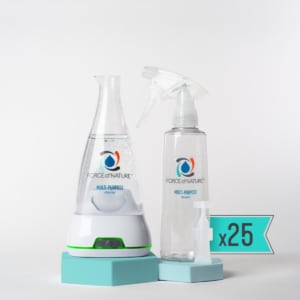
One option is a cleaning approach based on hypochlorous acid, which is generated from just salt, water and vinegar and designed to both clean and disinfect without added fragrances, dyes, preservatives or surfactants.
Force of Nature takes a different approach by generating its cleaning solution at home using electrolyzed water technology, instead of relying on pre-mixed formulas with long ingredient lists.
That means you’re not decoding labels or guessing what’s inside—you’re using a system designed to create a consistent, effective solution each time.
👉 Learn more here:
The Bottom Line
Labels like “natural,” “non-toxic,” and “toxin-free” can be helpful—but they’re not enough on their own.
The best way to choose safer cleaning products is to look beyond the marketing, understand what’s inside, and choose products that balance safety and effectiveness.
Once you know what these labels really mean, it becomes much easier to cut through the confusion and choose what works for your home.